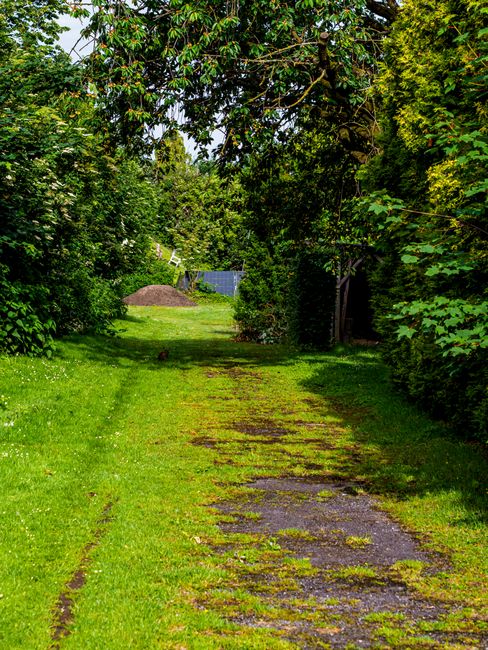
Common problems with driveway access for Seven Kings gardeners
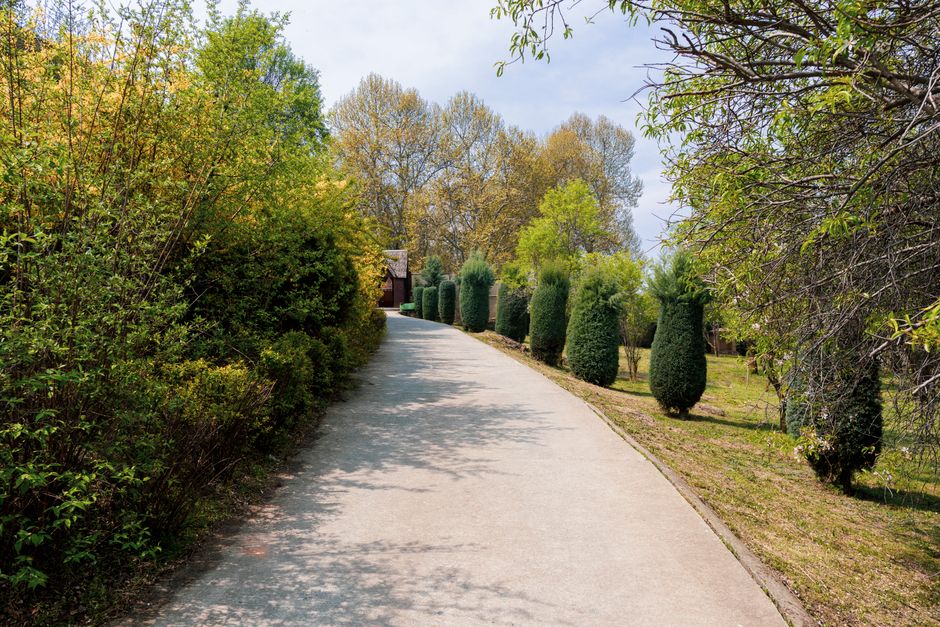
If you have ever booked garden work and then realised the drive is too tight, blocked, steep, or awkward for tools and waste bags, you already know how quickly a simple visit can become messy. The common problems with driveway access for Seven Kings gardeners are usually not dramatic on their own, but together they can slow the job, raise the risk of damage, and leave everyone a bit frustrated. The good news? Most access issues can be managed with a little planning, clear communication, and the right working method.
This guide breaks down the real-world issues gardeners run into in Seven Kings, why they matter, how they affect different services, and what you can do to make access smoother. Whether you are arranging regular garden maintenance, booking a one-off clearance, or planning a larger outdoor project, the details below will help you avoid the usual headaches. And yes, a narrow drive can absolutely turn a quick morning visit into a small puzzle. Garden work has enough variables already.
Why Common problems with driveway access for Seven Kings gardeners Matters
Driveway access sounds like a small detail, until the van arrives and it suddenly is not. A gardener may need space for equipment, wheelbarrows, green waste, bags of soil, ladders, hedge trimmers, mowers, or materials for landscaping. If access is awkward, the whole visit becomes more physical, more time-consuming, and sometimes more expensive.
In Seven Kings, where properties can vary from compact terraced homes to wider suburban plots, access conditions can change street by street. One home may have a tidy driveway with a clear path to the side gate. Another may have a car on the drive, bins at the front, a narrow entrance, and a side passage that is barely wide enough for a person, let alone a mower. It is the sort of thing that seems fine in the booking conversation, then turns into a real-world bottleneck on the day.
Why does it matter so much? Because access affects three things at once:
- Efficiency - the time needed to complete the job
- Safety - the risk of trips, slips, strain, or property damage
- Cost control - whether the job stays within the expected scope
To be fair, not every access issue is a deal-breaker. But if you ignore it, the knock-on effect can be surprisingly annoying. A simple hedge trim can become a carry-in, carry-out job. A garden clearance can mean multiple extra journeys through the house. And once that starts, everyone notices.
How Common problems with driveway access for Seven Kings gardeners Works
The practical side of driveway access is easy to understand: the gardener needs a route from the street to the working area, and then back out again with waste, tools, and materials. The route should be safe, reasonably direct, and suitable for the equipment being used.
Here is how problems typically show up in day-to-day work:
1. The driveway is too narrow for loading and unloading
A narrow driveway may still be usable for walking, but not for moving larger items like timber, bags of soil, patio slabs, or bulky garden waste. That means unloading happens at the kerb, which takes longer and increases the chance of damage or spills.
2. A parked car blocks the working route
Sometimes the driveway itself is fine, but a family car, delivery van, or visitor's vehicle leaves no room to reach the gate. That can force a change of plan on arrival. Gardener, trolleys, and wheelbarrows do not enjoy a sudden obstacle course. Nobody does.
3. The side passage is awkward or uneven
Many gardens in older parts of London rely on side access. If the passage is sloped, muddy, cracked, or lined with fragile pots, a simple transfer of tools can become awkward. A slight camber or a single uneven slab can make a difference when carrying heavy kit.
4. The gate opening is too tight
Even if there is technically access, a gate that does not open fully can be just as limiting as no access at all. Large mowers, hedge trimmers, clearance waste bags, and decking materials may all need more width than expected.
5. Surface conditions make movement risky
Wet moss, loose gravel, icy patches, soft turf, and muddy tyres all add risk. In practical terms, this means slower movement and extra care. In winter especially, a driveway that looks harmless at first glance can become a slipping hazard by mid-morning.
A helpful way to think about it is this: access is not just "can someone get in?" It is "can the work be done safely, efficiently, and without unnecessary hassle?" That is a more honest test.
Key Benefits and Practical Advantages
Good driveway access does more than save time. It improves the quality of the whole service experience, and frankly, it makes everyone calmer.
- Faster setup and pack-down - less time moving equipment means more time on the actual garden
- Cleaner working conditions - fewer trips through the house or across delicate lawn areas
- Reduced risk of damage - to paving, gates, walls, fences, plant pots, or parked vehicles
- Better waste handling - easier collection and removal of cuttings, branches, and debris
- Smoother scheduling - fewer delays if the access plan is clear before the visit
- More accurate quotes - when the job scope is realistic, the estimate is usually steadier too
There is also a less obvious benefit: better access often leads to better results. A gardener who can move freely can work more methodically, keep tools organised, and finish tidier. That matters on jobs like lawn mowing, hedge work, and larger clearance projects where repeated movement matters as much as the cutting itself.
Expert summary: access problems are rarely about one big obstacle. In practice, they are usually a combination of small restrictions that slow everything down. Fix the route, and the rest of the job often feels easier.
Who This Is For and When It Makes Sense
This topic matters to a lot more people than you might think. If you are a homeowner, landlord, letting agent, property manager, or householder arranging garden work in Seven Kings, access is something worth checking before the job begins.
It makes particular sense to think about driveway access when:
- you have a narrow or shared driveway
- there is limited front or side access to the garden
- you are booking a service that creates a lot of waste
- the garden has overgrowth, blocked paths, or uneven ground
- you are arranging heavier landscaping or materials delivery
- a vehicle is usually parked on the drive during the day
It also matters if you are planning work that is more physically demanding than a routine tidy-up. A one-off hedge trim may be manageable through a side gate. A full garden clearance, on the other hand, often needs much better access. For larger transformations, it is worth looking at wider landscaping or landscape gardening plans early, because access can shape the design itself.
Truth be told, a lot of frustration comes from assuming "it'll be fine on the day". Sometimes it is. Sometimes it really isn't.
Step-by-Step Guidance
If you want fewer surprises, use a simple process. Nothing fancy. Just a methodical check before the appointment.
- Walk the route from street to garden. Look at width, surface, slopes, steps, gate clearance, and turning space.
- Check for moving obstacles. Cars, bins, bikes, pruning waste, children's toys, and garden furniture all matter.
- Measure the narrow points. Even a rough measurement helps. If a mower or wheelbarrow barely fits, that is worth saying.
- Think about the job type. Routine garden maintenance has different access needs from tree work or clearance.
- Identify waste routes. Ask yourself how clippings, branches, soil, and debris will come back out.
- Flag hazards early. Loose paving, fragile edging, steep drops, slippery slabs, or low branches should be mentioned before arrival.
- Decide whether a clear drive is needed. Sometimes a temporary move of one car solves the whole issue. Simple, but effective.
- Confirm the plan in advance. If access is tight, say so clearly when booking rather than waiting until the van is outside.
A small practical example: if a garden clearance is booked and the front drive is partly blocked, the team may need to make repeated carries of waste bags through a narrow path. That can add a surprising amount of time. If the customer knows this and clears the drive first, the whole job often runs smoother and quieter. Less shuffling about. Less mud tracked around. Better all round.
Expert Tips for Better Results
There are a few habits that make a big difference. They are not complicated, but they are the sort of thing experienced gardeners quietly appreciate.
Keep the access route "clean enough to use"
You do not need to deep-clean the drive before every visit. But if there are loose branches, hosepipes, litter, toys, or tools left in the way, clear them out. A route that is visually obvious is quicker and safer to use.
Leave gate keys or codes ready
If side access depends on a lock, make sure the right person knows the code or has the key. Sounds obvious, and yet it is one of those details that causes unnecessary waiting. Ten minutes lost here and there adds up.
Allow extra space for waste handling
Garden work often creates more waste than homeowners expect, especially after hedge work or seasonal cut-backs. If you are arranging hedge trimming or tree-related work, remember that clippings and branches need room on the exit route as well as the entry route.
Match the access plan to the weather
Seven Kings weather is not exactly dramatic, but a damp morning can still turn a hard path slippery. If the forecast suggests rain, think about where foot traffic will go and whether the driveway surface is likely to become messy. Little things matter more than people think.
Be realistic about equipment
If the job needs heavier kit, say so. Not every mower, loader, or wheelbarrow has the same footprint. A team that knows the access is restricted can choose a more suitable approach from the start.
And one slightly cheeky but true point: if you have to squeeze sideways between the wheelie bin and the wall, the route is probably too tight. Gardening should not feel like a stealth mission.
Common Mistakes to Avoid
Most access problems are avoidable. The annoying part is that people often only notice them after the appointment has started.
- Assuming the van will "fit somehow" - hope is not a plan, especially with narrow drives
- Forgetting to move cars - the most ordinary obstacle causes the most disruption
- Ignoring side gate width - a gate may look usable but still be too restrictive in practice
- Not mentioning steep or slippery surfaces - these can affect safety and pace
- Leaving fragile items along the route - pots, ornaments, and hanging baskets are easy to knock
- Booking a large job without checking waste removal space - clearance work needs more logistics than a tidy-up
- Waiting until arrival to explain the issue - that is when delays start
One real-world pattern worth noting: people often describe access as "fine", but by that they mean "possible with a bit of effort". Those are not the same thing. A bit of effort can be perfectly manageable, yet it should be known in advance so the job can be planned properly.
Tools, Resources and Recommendations
You do not need specialist equipment to solve most access issues, but a few practical items can help. The aim is to make movement easier, not to overcomplicate the visit.
| Item or approach | Best for | Why it helps |
|---|---|---|
| Wheelbarrow or garden trolley | Moving cuttings, soil, and light waste | Reduces repeated carrying by hand |
| Temporary car move | Blocked or shared driveways | Clears the main access route fast |
| Gate lock/key ready in advance | Side access gardens | Avoids waiting at the door or gate |
| Protective mats or boards | Soft, wet, or delicate surfaces | Helps reduce wear and rutting |
| Pre-visit photos | Unclear or restricted access | Gives a clearer picture than a quick description |
For larger or more complex work, it may also help to review the full range of services first. A clear overview can make it easier to understand whether the job is best handled as routine upkeep, clearance, or a more substantial redesign. The services overview is a sensible starting point if you are comparing options.
And if your project is likely to generate a lot of green waste or requires a reset before new work begins, the team may suggest garden clearance before any finer details are tackled. That is often the cleaner route, literally and practically.
Law, Compliance, Standards and Best Practice
This topic is mostly practical rather than heavily regulated, but safety and good working practice still matter. Gardeners and property owners both have a role in keeping access safe and sensible.
In everyday terms, best practice usually means:
- keeping access routes reasonably clear
- minimising trip hazards
- avoiding unnecessary obstruction of pavements or driveways
- using suitable manual handling techniques for heavy or awkward loads
- planning around weather and surface conditions
- sharing relevant access concerns before work starts
Where vehicles, tools, or sharp materials are involved, safety planning becomes even more important. A professional team will normally think about insurance, site safety, and reasonable care around property boundaries. If you want to understand how a provider approaches risk and protection, it is sensible to review their insurance and safety information and health and safety policy.
There is also a simple truth here: if access is awkward enough that people are straining or carrying loads in unsafe ways, the setup needs changing. That is not overcautious; that is basic common sense. In the UK, people generally expect work to be carried out with care, and garden services are no exception.
Options, Methods, or Comparison Table
Not every driveway access issue needs the same fix. Some are solved with a quick car move, while others need a different working method altogether. Here is a practical comparison.
| Access approach | Best use case | Pros | Limitations |
|---|---|---|---|
| Direct drive access | Wide, clear driveway with easy turning | Fastest setup, easiest loading | Not always possible in tighter properties |
| Side gate access | Normal garden jobs with moderate equipment | Works well when the route is unobstructed | Can be limited by width, locks, or steps |
| Front carry-in, carry-out | Restricted sites and smaller jobs | Flexible when vehicle access is poor | Slower and more labour-intensive |
| Staged clearance | Large overgrowth or bulky waste | Reduces congestion and keeps routes clear | May take longer than a single-visit tidy-up |
For bigger outdoor changes, access should also influence the design. A beautiful layout that nobody can reach properly is a problem waiting to happen. That is especially true if the work involves features like paths, timber elements, or raised platforms; in that case, options such as decking services may need to be planned with access and material movement in mind from the outset.
Case Study or Real-World Example
Here is a typical Seven Kings scenario. A homeowner books a late-summer garden tidy after several weeks of growth. The front drive has space, but the family car is parked there and the side gate only opens halfway because a wheelie bin is in the way. The garden itself is manageable, but there is a fair amount of cut material to remove.
On arrival, the gardener can still do the work, but the process is slower. Tools are unloaded at the kerb, carried through a narrow access route, and waste is moved back out in smaller loads. Nothing is broken, nothing dramatic happens, but the job takes longer than expected and feels more tiring than it should.
Now compare that to the same visit with a few simple changes:
- the car is moved before arrival
- the side gate is fully opened
- the bin is shifted clear of the passage
- the customer mentions the heavier waste in advance
Same garden. Same gardener. Very different experience. The second version is tidier, quicker, and a lot less stop-start. That is the whole point of planning driveway access properly: it turns friction into flow. Nice and boring, which is exactly what you want.
Practical Checklist
Use this quick checklist before your gardener arrives. It is simple, but it catches most avoidable problems.
- Is the driveway or front route clear of cars?
- Can the gate open fully and stay open safely?
- Are bins, bikes, toys, and tools moved out of the way?
- Is the surface safe when wet or slightly muddy?
- Are there steps, slopes, or narrow turns that should be mentioned?
- Will the job involve bulky waste, heavy branches, or materials delivery?
- Have any locks, keys, or access codes been arranged in advance?
- Are there fragile pots, ornaments, or lights close to the route?
- Is there enough space for loading, unloading, and turning?
- Have you shared any access concerns before the appointment?
If you can answer "yes" to most of these, you are in a good place. If not, there is still time to adjust. A five-minute check can save a much longer conversation later.
Get a free quote today and see how much you can save.
Conclusion
Common problems with driveway access for Seven Kings gardeners are usually straightforward to spot once you know what to look for: narrow entrances, blocked drives, awkward side paths, slippery surfaces, and not enough room to move tools or waste. None of that means the job cannot be done. It just means the job needs a bit more planning.
The best results come from clear communication before the visit, a realistic understanding of the route, and a sensible match between the job type and the access available. That is true whether you need a small maintenance visit, a hedge cut, or a larger clearance project. Small details. Big difference.
If you are comparing options or trying to work out how to make a tricky garden more manageable, it is worth speaking with a team that understands both the practical and safety side of the work. And once the access is sorted, everything else tends to feel easier. A little less faff, a little more progress. That is usually what people want, after all.
Frequently Asked Questions
What are the most common driveway access problems for gardeners in Seven Kings?
The most common issues are narrow driveways, parked cars, tight side gates, uneven paving, blocked pathways, and limited space for loading waste or equipment. These problems do not always stop the job, but they often slow it down.
Should I clear my driveway before the gardener arrives?
Yes, if possible. Moving cars, bins, bikes, and loose items before the visit makes access smoother and reduces delays. It is one of the simplest ways to help the work run well.
Can gardeners still work if the driveway is blocked?
Often they can, but the method may change. They may need to carry tools and waste through a narrower route or work from the street side. That can be more time-consuming and may affect how the job is priced or scheduled.
What if my garden only has side access?
Side access is common and perfectly workable in many cases. The key things are gate width, surface condition, and whether the route is clear. If access is very tight, say so early so the job can be planned properly.
Do access issues affect garden clearance more than regular maintenance?
Usually, yes. Garden clearance creates more waste and often involves bulkier items, so the route in and out matters more. Routine maintenance is often easier to manage because there is less material to move.
What should I tell a gardener before the visit?
It helps to mention driveway width, whether a car will be parked there, any locked gates, steep paths, steps, slippery areas, and whether there is likely to be lots of waste. A photo can be useful too, though a clear description is still important.
Is it better to mention access problems during booking or on the day?
During booking is much better. If access is tricky, the team can plan the right equipment, route, and timing. Waiting until the day can cause avoidable delays and a bit of unnecessary stress.
Can a narrow driveway increase the cost of garden work?
Sometimes it can, especially if the job requires extra carrying, more time, or staged waste removal. It depends on the work involved and how restricted access is. A clear quote usually reflects the real conditions, not just the garden size.
What can I do if my driveway surface is slippery or uneven?
Try to keep it as clear and dry as possible before the visit, and let the gardener know if there are particularly slippery spots, loose slabs, or steep sections. Safety comes first, and a good team will adjust the approach if needed.
Are there any safety concerns with driveway access?
Yes. Trips, slips, strains from heavy lifting, and accidental damage to paving or vehicles are the main concerns. That is why a clear route and sensible manual handling matter so much. Not glamorous, but very real.
How do I know whether my garden access is good enough?
A good rule is this: if a person can walk the route easily, with enough room for tools and waste to pass safely, the access is probably workable. If people must squeeze, lift awkwardly, or keep moving obstacles out of the way, it needs more thought.
Where can I find more information about the company's approach to safety and service?
You can review the company's public information on about the team, health and safety, insurance and safety, and pricing and quotes if you want a better sense of how jobs are handled.