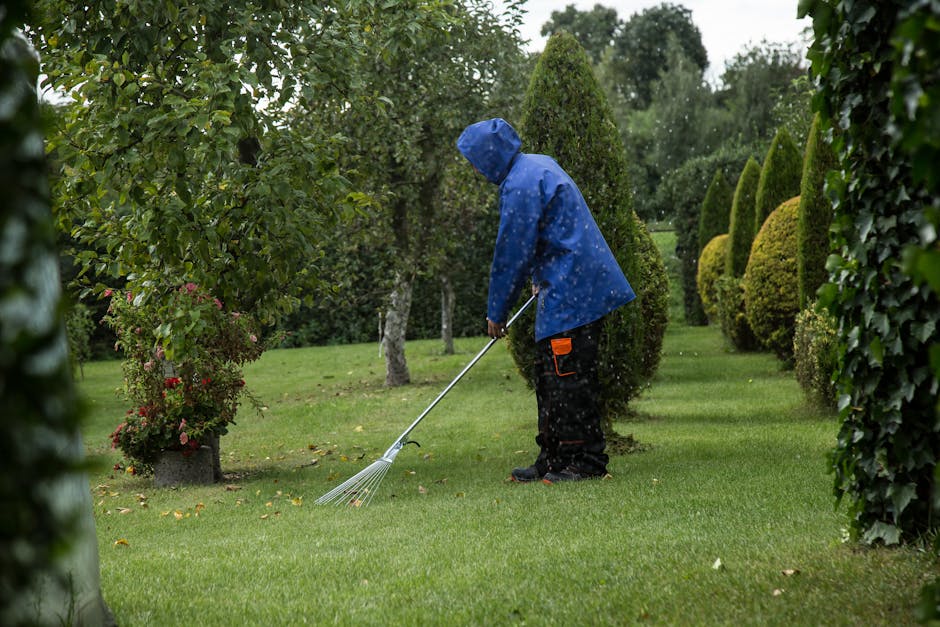
What to know about urgent garden tidy ups Seven Kings gardeners
If your garden has gone from "needs a bit of attention" to "we should probably sort this today," you are not alone. Urgent garden tidy ups in Seven Kings usually happen for the same ordinary reasons: a last-minute letting inspection, a family event, overgrown borders after a few wet weeks, or a garden that simply got away from you. Truth be told, it happens faster than people expect. One windy weekend and suddenly there are leaves everywhere, the lawn looks patchy, and the path feels more like a storage area than a garden.
This guide explains what to know about urgent garden tidy ups Seven Kings gardeners can help with, what the work usually includes, how the process works, and the practical things worth checking before you book. You will also see where a quick tidy up ends and a fuller job begins, which can save you money and a fair bit of stress.
For a broader look at the full range of help available, you may also find the services overview useful alongside the more focused garden maintenance and garden clearance options.
Table of Contents
- Why urgent garden tidy ups matter
- How an urgent tidy up works
- Key benefits and practical advantages
- Who this is for and when it makes sense
- Step-by-step guidance
- Expert tips for better results
- Common mistakes to avoid
- Tools, resources and recommendations
- Law, compliance, standards and best practice
- Options, methods and comparison
- Case study or real-world example
- Practical checklist
- Conclusion
- Frequently asked questions
Why What to know about urgent garden tidy ups Seven Kings gardeners Matters
An urgent garden tidy up is not just about making a space look neat for the next photo. It is about quickly restoring order, safety, and usability. That matters more than people sometimes realise. A garden with tangled growth, slippery paving, hidden waste, or overhanging branches can become awkward to walk through and difficult to enjoy. If you are welcoming guests, preparing a property for sale or letting, or simply trying to stop the back garden from becoming a mini wilderness, speed matters.
In Seven Kings, gardens often deal with a mix of weather exposure, compact layouts, and busy household routines. So once the grass has shot up or the hedge has become too wide, the fix is rarely one simple task. You usually need a layered tidy up: cutting back growth, clearing debris, dealing with edges, sweeping hard surfaces, and removing anything bulky that is in the way. A good urgent service understands that the job is not about perfection on day one. It is about getting the space under control quickly, then leaving it in a condition where routine care is easy again.
There is also a trust element. When work needs doing in a hurry, people can feel pressured to say yes without asking the right questions. That is understandable. But a little clarity upfront helps enormously. What exactly will be cut back? What gets removed? Will green waste be taken away? Will the team tidy hard surfaces too, or only the planting beds? Small questions, big difference.
Expert summary: urgent tidy ups work best when the goal is practical control, not a full redesign. If you define the outcome clearly, the job is faster, tidier, and usually more cost-effective.
How What to know about urgent garden tidy ups Seven Kings gardeners Works
Most urgent tidy ups follow a similar pattern, even if the garden itself looks wildly different from the last one. First comes a quick assessment. The gardener looks at what must be done immediately, what can wait, and what may need specialist attention. Then the work is prioritised. In many cases, the first pass is about access and safety: clearing trip hazards, removing loose waste, cutting back growth from paths and gates, and making sure the garden can actually be used.
After that, the visible cleaning begins. This might include mowing, strimming, hedge cutting, pruning back soft growth, weeding obvious areas, leaf collection, and a full sweep-up. If there is a deeper build-up of clutter, broken pots, branches, or forgotten garden items, the work may shift towards a clearance-style job rather than a simple tidy. That is where having the right service matters. It is one thing to mow a lawn that has gone a bit long. It is another to deal with a garden that has been left untouched for months and has debris stacked in every corner. Different jobs, different approach.
A fast tidy up often ends with a final walkthrough. The team checks that the space looks coherent, that edges are neat, and that waste is gathered for removal or stacking. Not glamorous. Very useful though.
If you need a little more than a one-off visit, it can help to combine the urgent work with a plan for ongoing garden maintenance. That way, the tidy up is not just a reset; it becomes the start of an easier routine.
Key Benefits and Practical Advantages
The obvious benefit is a tidier garden. But the practical value goes deeper than appearance. A properly managed urgent tidy up can reduce hazards, save time, and prevent small issues turning into bigger ones. Let's face it, a patch of overgrowth never stays a "small issue" for long.
- Faster regain of usable space: You can get back to sitting, walking, playing, or entertaining without the stress of a messy garden.
- Improved safety: Clearing hidden debris, low branches, and slippery build-up helps reduce trip and snag risks.
- Better first impressions: This matters for viewings, landlord visits, family events, and everyday pride in the home.
- Less pressure later: A quick reset often makes future maintenance simpler because the garden is no longer fighting you at every corner.
- More targeted spending: You can focus budget on what really needs doing now rather than paying for a broader project too early.
There is another advantage that people sometimes overlook: urgency can sharpen decision-making. When a garden is in poor shape, it is easier to see which parts are genuinely valuable and which areas need a different solution. Perhaps the hedge is fine but just badly timed for cutting. Perhaps the lawn is recoverable, but the border has become too crowded. A good tidy up reveals the bones of the garden, and that clarity is useful.
Who This Is For and When It Makes Sense
Urgent garden tidy ups are not only for neglected properties. They make sense for a surprisingly wide range of situations. If you are wondering whether yours counts, here is the honest answer: if the garden is causing pressure, embarrassment, or practical difficulty, it probably qualifies.
- Homeowners preparing for guests: Family coming round at short notice? A rapid tidy can make the whole property feel calmer.
- Landlords and letting agents: End-of-tenancy or pre-viewing presentation often needs a quick, reliable reset.
- Busy households: When work, school, and life get in the way, the garden can quietly slide down the list.
- Older residents or those with limited time: Some jobs are simply easier, safer, and quicker when handled professionally.
- Properties with seasonal build-up: After autumn leaf fall or a wet spell, things can move from tidy to untidy very quickly.
- Gardens with access issues: Overgrown paths, blocked side returns, or hedges that have narrowed movement often need prompt action.
This is also where boundary-setting matters. If you want a light tidy, say so. If you want a hard reset, say that too. A quick chat at the start prevents disappointment later. You do not want a team spending time on fine detail when the real goal is simply to make the garden presentable by Friday afternoon.
Step-by-Step Guidance
Here is the simplest way to think about the process.
- Describe the problem clearly. Say what is urgent. Is it overgrown grass, hedge growth, leaf build-up, rubbish, or a combination?
- Share the deadline. A garden needed for tomorrow is very different from one needed next week. That shapes what can realistically be achieved.
- Walk the garden if possible. Photos help, but a quick look in person often reveals hidden spots, awkward access, and waste volume.
- Agree priorities. Decide what must be done first: safety, access, appearance, or clearance.
- Confirm waste handling. Ask whether green waste and garden rubbish will be taken away, left bagged, or stacked neatly.
- Let the team work through the layers. Most tidy ups need more than one pass: cut, clear, sweep, and detail.
- Do a final check. Make sure gates open, paths are clear, and the result matches the brief.
One practical note: if the garden is heavily blocked, it can be better to split the job into an urgent tidy and a follow-up visit. That sounds less dramatic than trying to "do everything" in one go, but it often produces a better result. And fewer missed bits. Which, to be fair, is what most people really want.
Expert Tips for Better Results
From an experienced gardener's perspective, the best urgent tidy ups are the ones where expectations are specific. Not lofty. Specific.
1. Show the worst areas first. It sounds obvious, but people often start with the "main" part of the garden and forget the side path, shed corner, or back fence line where most of the mess is hiding.
2. Focus on edges. A lawn or patio looks much better when edges are crisp. Clean lines create the impression of a bigger, tidier space very quickly.
3. Don't over-prune under pressure. A rushed cutback can damage shrubs and hedges if done too severely. If in doubt, cut conservatively and tidy again later. There is no medal for hacking everything down at once.
4. Separate clearance from maintenance. If the garden has clutter, broken pots, old timber, or bags of waste, that is often a clearance issue as much as a tidy-up issue. A light maintenance visit may not be enough.
5. Think about the next four weeks, not just today. What will make the garden manageable after the urgent work is done? Maybe a regular mow, maybe hedge trimming, maybe a clean-up of borders. Good results last a bit longer when the follow-up is planned.
For hedges that have crept into paths or blocked light, it can help to look at hedge trimming as a separate task rather than trying to squeeze it into a general tidy. Likewise, overgrown grass is often best handled through lawn mowing rather than treated as a cosmetic extra.
Common Mistakes to Avoid
Urgent jobs can go sideways when people rush the decisions, not just the garden. Here are the mistakes worth avoiding.
- Being vague about the outcome: "Make it look better" is not very helpful. Better to say what matters most.
- Assuming one visit solves everything: Some gardens need a reset, then maintenance. That is normal.
- Ignoring access problems: Narrow side gates, locked sheds, or blocked paths can slow the job more than you expect.
- Leaving waste expectations unclear: A tidy pile is not the same as full removal, and that can cause frustration.
- Choosing only on speed: Fast is useful, but the cheapest quick fix is not always the best value if it leaves the job half-done.
- Cutting back too hard in season: Some plants dislike severe pruning at the wrong time of year. A careful gardener will usually say so.
Another easy mistake? Forgetting about hard surfaces. A garden can look half-finished if the lawn is cut but the patio still has debris, mossy patches, and leaf clutter. That little mismatch is the sort of thing people notice the second they step outside.
Tools, Resources and Recommendations
A proper urgent tidy up usually depends on a sensible mix of hand tools and powered equipment. The exact kit depends on the job, but most fast-response garden work draws on a few familiar items: mowers, strimmers, hedge cutters, shears, rakes, brooms, loppers, bags, and sometimes wheelbarrows or waste containers.
From the client side, the most useful "resource" is actually preparation. A short list of priorities, clear access, and a sensible place for waste can save time. It is not fancy. It just works.
| Task | Best-fit approach | What to watch for |
|---|---|---|
| Overgrown lawn | Careful mowing with follow-up edging | Very long grass may need a staged cut |
| Hedges blocking paths | Focused hedge trimming | Avoid overcutting nesting or sensitive growth |
| Messy borders and beds | Weeding, cutback, and hand clearing | Hidden bulbs and young plants can be damaged if rushed |
| General build-up of waste | Garden clearance | Clarify what is to be removed and what stays |
| Mixed overgrowth and clutter | Combined tidy-up and clearance plan | Make sure priorities are agreed before work starts |
If the garden has started to become a broader project rather than a quick tidy, it may be worth looking at landscape gardening or landscaping once the urgent work is out of the way. That is especially true if the current layout is making upkeep harder than it should be.
Law, Compliance, Standards and Best Practice
For garden tidy ups in the UK, the main compliance issues are usually practical rather than complicated. Safety, waste handling, and care around neighbouring properties matter most. You do not need to become a legal expert to make a sensible choice, but you should expect good standards.
Best practice normally includes:
- Safe working methods: Tools should be used properly, with attention to people, pets, and nearby surfaces.
- Clear waste handling: Green waste and mixed debris should be separated and removed in a responsible way where agreed.
- Respect for boundaries: Hedges, fences, and overhanging branches near neighbouring gardens should be handled carefully.
- Honest scope setting: The job should match what was discussed, especially when urgency is involved.
- Insurance awareness: It is sensible to use gardeners who can explain how they approach safety and liability.
Some jobs, particularly those involving larger branches or awkward trees, may need a different approach. If a tree is unstable, heavily leaning, or interfering with access, it may be more appropriate to discuss tree lopping and removal rather than treat it as standard tidy-up work. That is the kind of judgement that matters. Not every tall thing is a quick trim.
If you want extra reassurance about standards, look for information on health and safety policy and insurance and safety. Those pages help show how a company thinks about risk, which is especially reassuring when the job is urgent and there is a lot going on.
Options, Methods and Comparison Table
Not every urgent garden job needs the same level of service. Some only need a light refresh. Others need proper clearance. Here is a simple comparison to help you decide what sounds closest to your situation.
| Option | Best for | Typical scope | Good choice when |
|---|---|---|---|
| Light tidy up | Gardens that are mostly fine but look messy | Mow, edge, weed, sweep, light cutback | You need a fast presentable finish |
| Urgent clearance | Gardens with clutter, waste, and heavy build-up | Remove debris, bag waste, clear access, tidy surfaces | The space has become difficult to use |
| Combined tidy and maintenance | Gardens that need a reset and a plan | Clear, cut, sweep, then set a follow-up routine | You want a better long-term outcome |
| Full landscaping support | Gardens needing structural change | Layout changes, surfacing, planting, design improvements | The current garden is hard to manage or no longer suits you |
In real life, the right answer is often a mix. A garden can need a clearance at the back, a hedge trim on one side, and a simple mow across the middle. No shame in that. Gardens are rarely neat little boxes, and frankly, neither are most people's weeks.
Case Study or Real-World Example
Here is a realistic example based on the kind of urgent work people commonly ask for. A homeowner in Seven Kings had family arriving for a weekend gathering and realised the garden had become a jumble of long grass, fallen leaves, and a few years' worth of "we'll deal with that later" items near the shed. The patio was still usable, but it looked tired and a bit neglected.
The quickest sensible plan was not a full redesign. It was a focused tidy up: clear the loose clutter, cut the grass, trim the edges, sweep the paving, remove the obvious waste, and take back the side access so bins and chairs could be moved easily. The result was not a magazine garden, and it did not need to be. It was a calm, usable outdoor space again by the end of the visit.
That is the key lesson. Urgent tidy ups are often about restoring dignity to the space. You walk outside, you breathe, and the garden feels manageable again. That change is practical, but it is also emotional. It lifts the pressure a bit.
Practical Checklist
Use this checklist before you book an urgent tidy up.
- Identify the deadline and why it matters.
- List the worst areas first.
- Decide whether you need tidy up, clearance, or both.
- Check access to the front, side, and back of the garden.
- Ask what will happen to green waste and rubbish.
- Flag any delicate plants, buried fixtures, or fragile surfaces.
- Confirm whether hedge work, mowing, or pruning should be included.
- Ask if follow-up maintenance is recommended after the first visit.
- Make sure the final result matches the immediate purpose of the visit.
- Keep a note of what still needs doing later, because there usually is something.
If you are comparing longer-term options too, a good place to start is the pricing and quotes information so you can understand how the work may be scoped and what factors usually affect the final figure.
Conclusion
What to know about urgent garden tidy ups Seven Kings gardeners comes down to a simple idea: urgency works best when it is paired with clarity. Know what is bothering you, define what must be fixed now, and choose the level of service that fits the real problem rather than the imagined one. That approach keeps the work focused, the spending sensible, and the result genuinely helpful.
Whether your garden needs a fast refresh before visitors arrive, a practical clean-up after weeks of growth, or a more involved reset because the space has simply run away from you, the most important thing is to start with the right brief. Small decisions made early save a surprising amount of hassle later. And a garden that feels under control again? That changes the whole mood of the house.
Get a free quote today and see how much you can save.
If you want to learn more about the team and how they work, a quick look at the about us page can help. And if you are ready to talk through your garden, the contact us page is the natural next step.
Frequently Asked Questions
What usually counts as an urgent garden tidy up?
An urgent garden tidy up usually means a fast, practical visit to restore order quickly. It often includes mowing, edging, hedge trimming, leaf clearing, light pruning, and removing obvious debris or clutter.
How fast can an urgent tidy up be arranged?
That depends on the time of year, the size of the job, and how much work is needed. In busy periods, the earliest slot may be limited, so it helps to share your deadline clearly from the start.
Is an urgent tidy up the same as garden clearance?
Not always. A tidy up focuses on making the garden neat and usable, while garden clearance is better when there is a lot of waste, bulky debris, or heavy build-up to remove. Sometimes the two overlap.
Can a gardener deal with overgrown hedges and grass in one visit?
Yes, often they can. But if the hedges are very tall or the grass is exceptionally long, the work may need to be staged so the result is clean and safe rather than rushed.
What should I tell the gardener before they arrive?
Tell them the deadline, the problem areas, any access issues, and whether you want waste removed. If there are plants or features you want left untouched, say that too. Clear instructions save time.
Do urgent tidy ups include waste removal?
They can, but you should always confirm it. Some jobs include bagging and removal, while others focus only on cutting and cleaning within the garden. It is best not to assume.
How do I know whether I need maintenance or a one-off tidy up?
If the garden mainly needs a reset before a specific event or inspection, a one-off tidy up may be enough. If it keeps becoming untidy and hard to manage, ongoing garden maintenance is usually the smarter option.
Will an urgent tidy up damage my plants?
A careful gardener should avoid that, but there is always some risk if a garden is very overgrown or if cutting is rushed. That is why it matters to mention any plants you particularly want protected.
Is it worth booking a larger job if the garden looks really bad?
Sometimes yes. If the space has clutter, broken items, and heavy overgrowth all at once, a larger clearance-style visit can be better value than trying to squeeze everything into a light tidy.
What makes a good urgent garden tidy up result?
A good result looks calm, open, and usable. The paths are clear, the lawn is cut, the edges are neat, and the worst mess is gone. It does not have to be perfect. It just has to feel under control again.
Should I ask about safety and insurance?
Yes, absolutely. If work involves tools, branches, access issues, or waste removal, it is sensible to check how safety is handled. Pages such as health and safety policy and insurance and safety are useful signs that safety is taken seriously.
What if I want to improve the garden after the urgent tidy up?
That is very common. A tidy up often exposes the next opportunity, whether that is better planting, a clearer layout, or a more manageable surface. If the space needs more than cleaning, look at landscape gardening or landscaping once the urgent work is done.
And if you are still weighing up the practical side, the safest move is simple: ask clear questions, compare the scope carefully, and choose the option that gets your garden back to a state you can live with. Nice and steady. That usually wins.